Trauma Therapy


Trauma Therapy in Nashville
Trauma Therapy: EMDR & Brainspotting
Some experiences get "stuck."
You know the story. You can describe it in detail, maybe you've talked about it for years. But something about it still has a charge — a memory that still feels too vivid, a belief about yourself that won't budge no matter how much evidence contradicts it ("I'm not safe," "It was my fault," "I can't trust anyone"), or a reaction that's bigger than the situation calls for. EMDR and Brainspotting are two approaches designed specifically for this. They work with how the brain processes — and sometimes fails to fully process — overwhelming experiences, allowing what's stuck to finally move.
EMDR (Eye Movement Desensitization and Reprocessing)
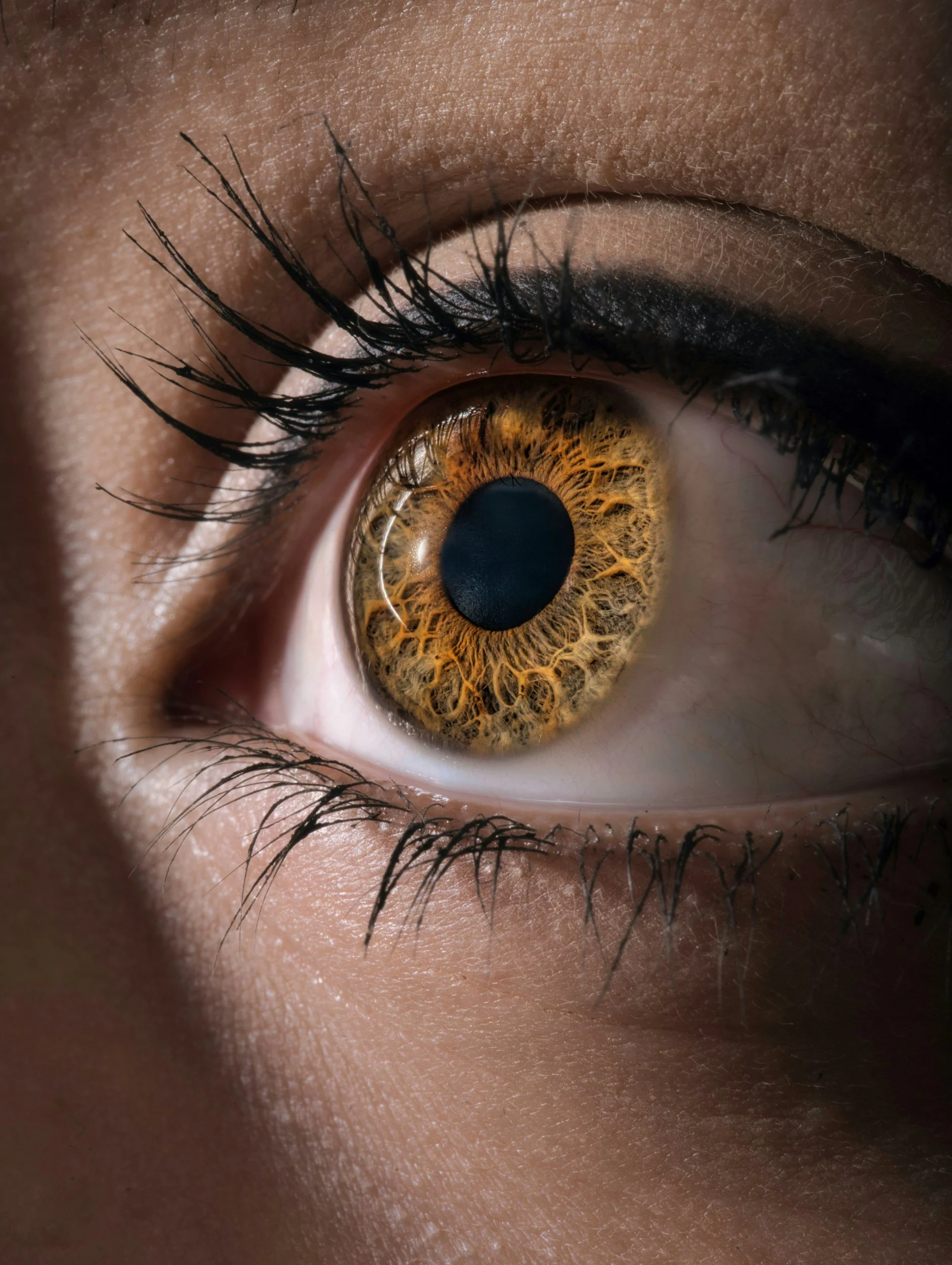
EMDR uses bilateral stimulation (often guided eye movements) while you bring attention to a difficult memory or belief. This appears to help the brain reprocess the experience — so it moves from feeling "stuck in the present" to genuinely feeling like the past. EMDR is well-researched and widely used for trauma, but is also effective for anxiety, phobias, performance issues, and persistent negative self-beliefs.
Brainspotting
Brainspotting was developed out of EMDR and works on a similar principle — that where you look can affect how you feel. By identifying a "brainspot" (an eye position connected to the activation of a particular memory or feeling) and holding focus there, the brain can access and process material that talking alone often can't reach. It tends to be a quieter, more internally-focused process than EMDR.
What this can help with
Single-incident trauma (accidents, medical trauma, loss) Complex or relational trauma (childhood, family, abusive relationships) Persistent negative beliefs about yourself ("I'm not enough," "I can't trust myself") Anxiety, panic, or phobias tied to a specific experience Performance anxiety or "freeze" responses Symptoms that talk therapy alone hasn't fully resolved
How this fits with my other work
EMDR and Brainspotting often pair naturally with Somatic Therapy — both approaches are body-aware and incremental, designed to avoid overwhelming your system. Depending on what you're working through, we might use one approach primarily, or move between them as needed.
Some clients also incorporate Drama Therapy to externalize and process what has arisen.
Frequently asked questions
Do I need to talk through the whole story in detail? No — that's actually one of the advantages of EMDR and Brainspotting. You don't need to give me every detail for the processing to work.
Is this only for "big T" trauma? Not at all. These approaches are effective for a wide range of experiences, including ones that might not feel like "trauma" with a capital T but still carry a strong emotional charge.
Is this available virtually? Yes — both EMDR and Brainspotting can be done virtually. I offer virtual sessions to clients throughout Tennessee and Ohio, as well as in-person in East Nashville — convenient to Inglewood, Madison, Donelson, and surrounding 37207 neighborhoods.